Mastering Budget Fashion: Your Guide to a Stylish Wardrobe Without Breaking the Bank

Introduction: Style on a Shoestring
Building a wardrobe that reflects your personal style and makes you feel confident doesn't have to be an expensive endeavor. In an era of fast fashion and endless trends, it's easy to feel pressured to constantly buy new items. However, with a smart approach and a few strategic habits, you can curate a stylish and versatile collection of clothing and accessories without overspending. This guide will walk you through practical steps to make informed fashion decisions, maximize your budget, and ultimately achieve a sophisticated look for less.
Define Your Style and Needs
Before you even think about opening your wallet, take some time to understand what you truly like and what your lifestyle demands. This foundational step is crucial for avoiding impulse buys and ensuring every purchase serves a purpose.
- Evaluate Your Current Wardrobe: Go through your closet. What do you wear most often? What makes you feel good? What items have you never worn or only worn once? This exercise helps identify gaps and redundancies.
- Identify Your Signature Style: Are you classic, bohemian, minimalist, edgy, or a mix? Look for inspiration from magazines, Pinterest, or fashion blogs, but always filter it through what feels authentic to you.
- Consider Your Lifestyle: Do you need more professional attire, comfortable casual wear, or specialized activewear? Your daily activities should dictate the types of clothes you prioritize.
- Create a Wishlist: Once you understand your style and needs, make a list of specific items you genuinely want or need. This provides focus and prevents aimless browsing.
Strategic Shopping: Timing and Location Are Everything
When and where you shop can significantly impact how much you spend. Being strategic about your shopping schedule and preferred retailers is key to securing the best deals.
- Embrace Seasonal Sales: The end of a season is often the best time to buy items for the next year. Winter coats go on sale in late winter/early spring, and summer clothes are discounted in late summer/early fall. Plan ahead to snag these bargains.
- Look for Mid-Season Promotions: Many retailers offer flash sales or special promotions during otherwise quiet periods. Keep an eye on your favorite stores' newsletters or social media for announcements.
- Explore Outlet Stores and Resale Platforms: Outlet malls can offer designer goods at reduced prices, while online and brick-and-mortar consignment shops and thrift stores are treasure troves for unique, pre-owned items that often boast excellent quality.
- Utilize Online Price Tracking Tools: Several browser extensions and websites can track price drops on items you're interested in, alerting you when they hit your target price.
Mastering the Art of Comparison and Discount Discovery
In the digital age, price comparison is easier than ever. Don't settle for the first price you see; a little research can yield substantial savings.
- Compare Prices Across Retailers: Before committing to a purchase, quickly check if the same item is available for less at another store, especially online.
- Search for Coupon Codes: Always do a quick online search for coupon codes or promotional offers before finalizing an online purchase. Many websites compile these codes, and you'd be surprised how often you can find a valid discount.
- Sign Up for Email Lists (Strategically): Many brands offer a first-time subscriber discount. Sign up, grab the discount, and then manage your subscription to avoid inbox clutter.
- Consider Cashback Programs: Various online platforms offer cashback rewards for purchases made through their portals. These small percentages can add up over time.
Quality Over Quantity: Investing Wisely
While the goal is to save money, true budget fashion isn't just about buying the cheapest items. It's about making smart investments that last.
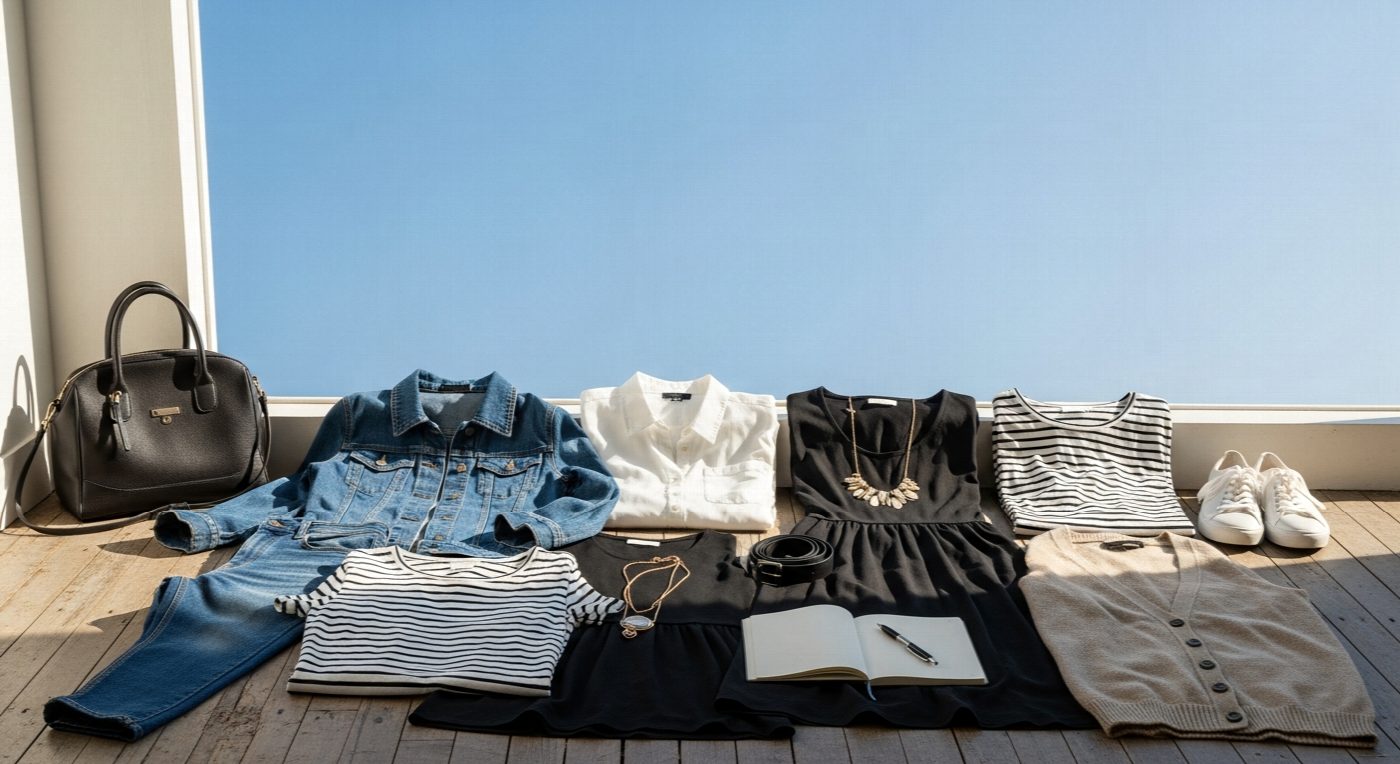
- Prioritize Versatile Basics: Invest in high-quality basic pieces like a well-fitting pair of jeans, a classic white shirt, a neutral-colored blazer, or a simple black dress. These form the foundation of countless outfits.
- Examine Fabric and Construction: Learn to recognize good quality. Look for natural fibers like cotton, wool, linen, and silk. Check seams, stitching, and button attachments. Better quality often means greater durability and a longer lifespan.
- Read Reviews: Especially for online purchases, customer reviews can provide invaluable insights into an item's true color, fit, and material quality.
- Factor in Cost Per Wear: A slightly more expensive item that you wear frequently and that lasts for years is often a better investment than a cheap item that falls apart after a few washes or is only worn once.
Smart Habits for Long-Term Savings
Beyond individual purchases, cultivating smart shopping habits can lead to sustained savings and a more intentional wardrobe.
- Set a Budget: Determine how much you can realistically spend on clothing each month or season and stick to it.
- Avoid Impulse Buys: If you see something you like, don't buy it immediately. Give yourself 24-48 hours to think about it. Often, the urge passes, or you realize it doesn't fit your style or needs.
- Understand Return Policies: Always be aware of a store's return policy, especially for online purchases. This protects you if an item doesn't fit or isn't as expected.
- Care for Your Clothes: Proper care extends the life of your garments. Follow washing instructions, make minor repairs promptly, and store items correctly. This reduces the need for frequent replacements.
Conclusion: Your Stylish, Savvy Self
Building a stylish wardrobe on a budget is a journey of intentional choices, smart timing, and a little bit of research. By defining your style, strategizing your shopping, embracing comparison, prioritizing quality, and adopting smart habits, you can create a collection of clothes that you love, that lasts, and that didn't break the bank. Fashion is about self-expression, and you can express yourself beautifully and affordably.